A Restaurant Above New York
Long before rooftop dining became a trend, New York had a restaurant that literally put dinner above the city.
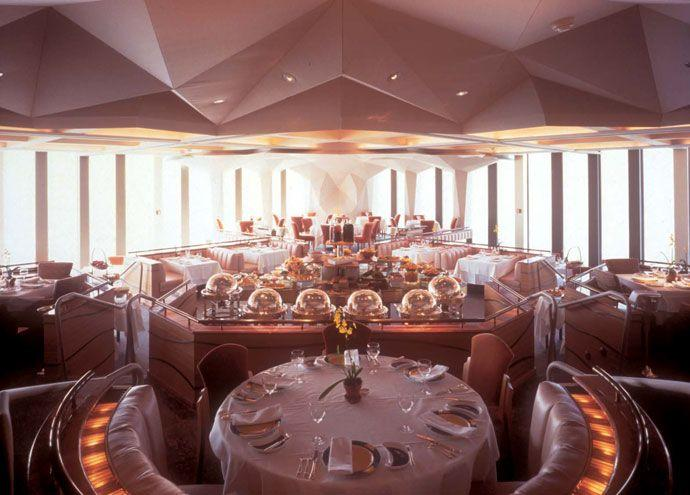
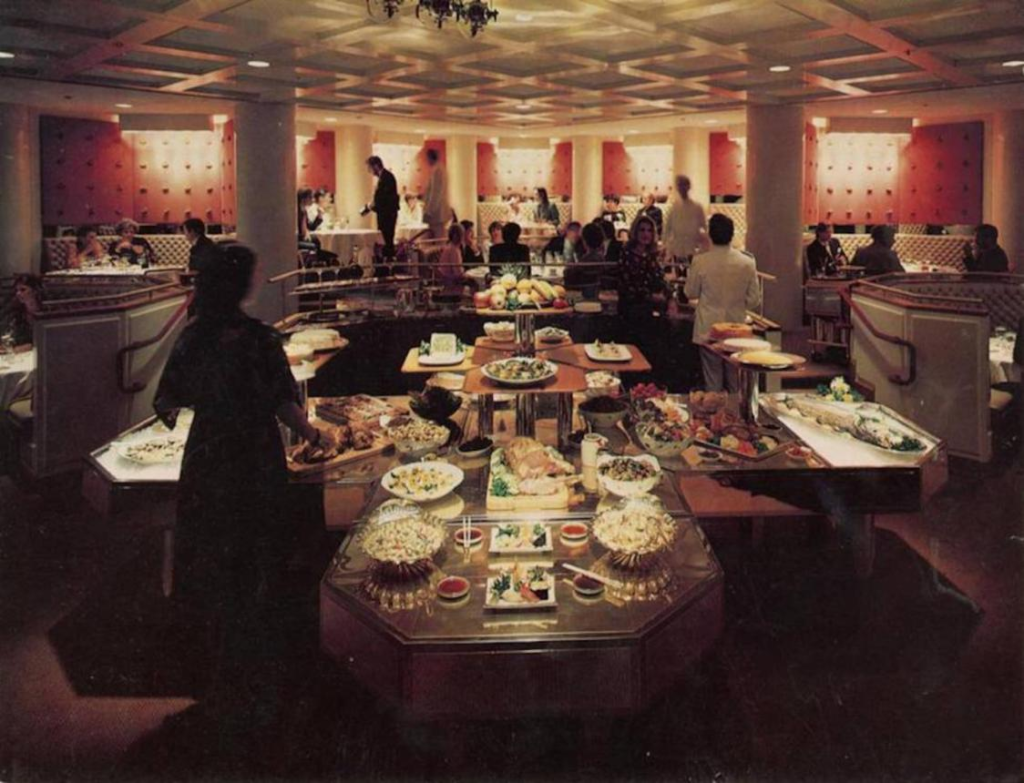
Windows on the World opened on April 19, 1976, on the 106th and 107th floors of the World Trade Center’s North Tower. Created by legendary restaurateur Joe Baum and designed with architect Warren Platner, the restaurant was envisioned as a dining experience unlike anything else in New York
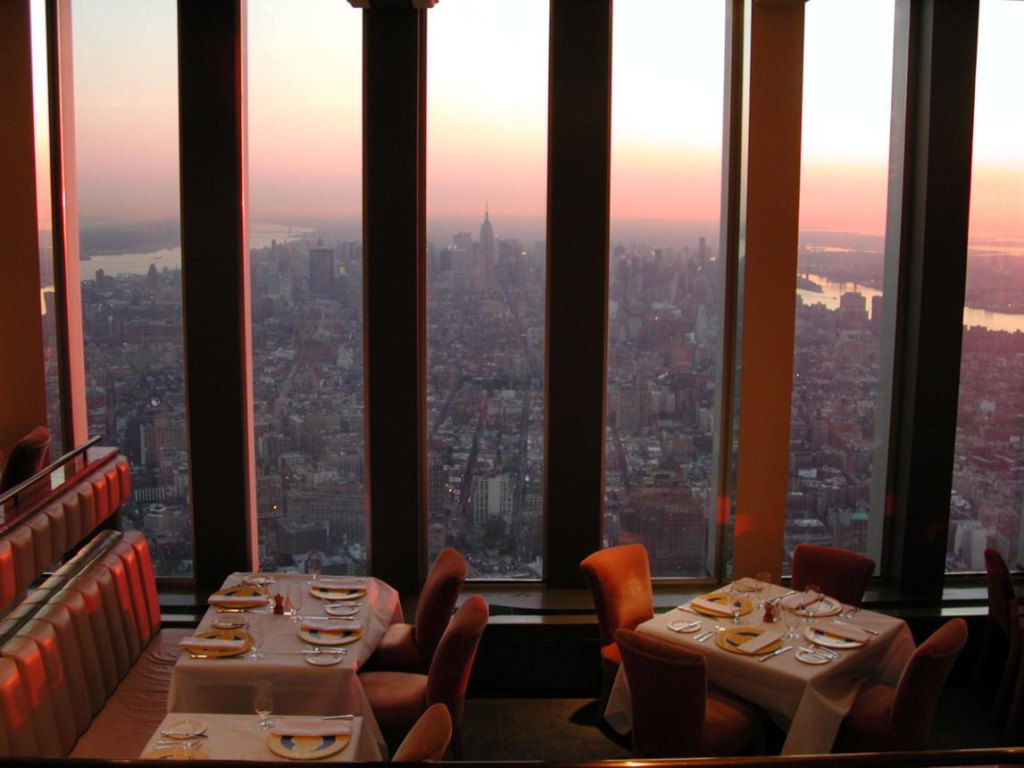
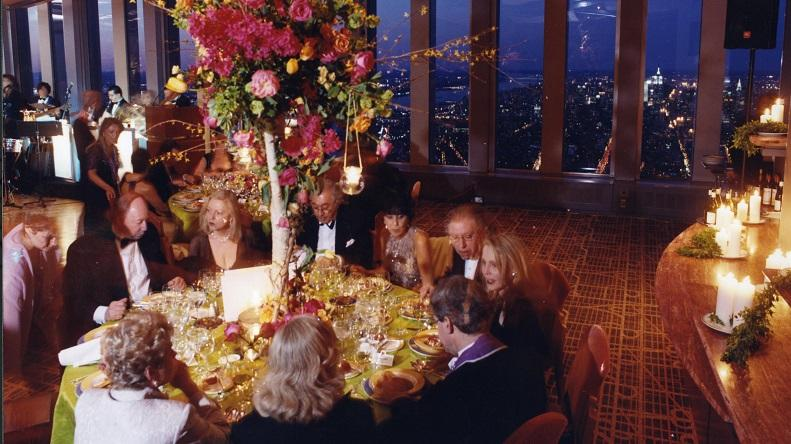
The restaurant’s floor-to-ceiling windows offered sweeping views of Manhattan, the Hudson and East Rivers, Brooklyn, New Jersey, and the Statue of Liberty. The setting was central to the restaurant’s identity. Guests weren’t simply going out for dinner; they were going to experience New York from hundreds of feet above the streets.
Who Dined at Windows on the World?
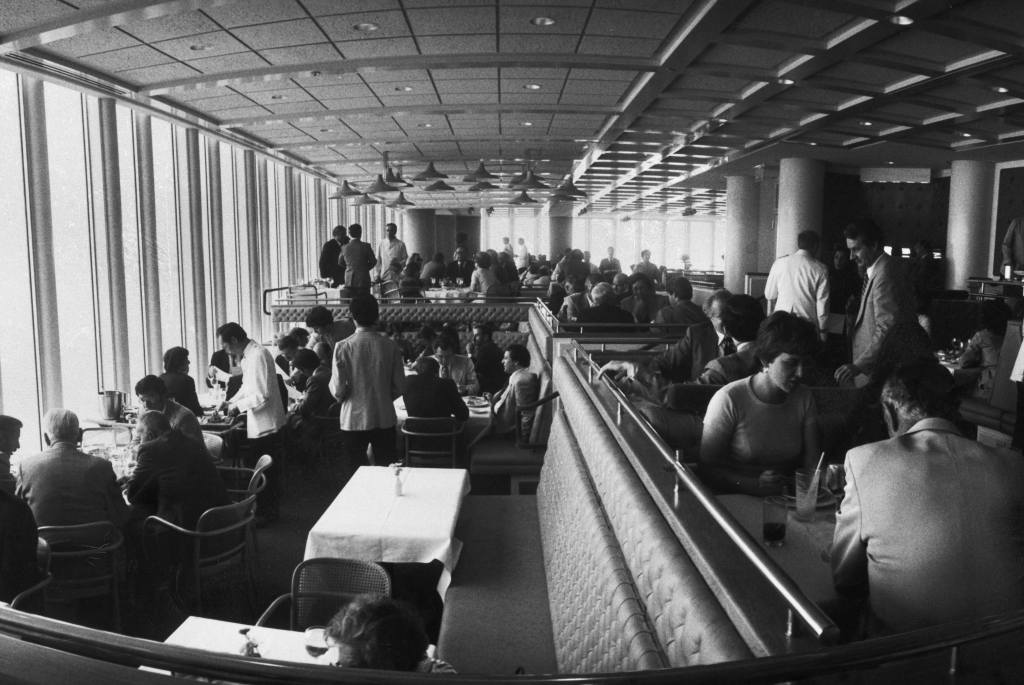
Windows on the World attracted tourists, New Yorkers, business executives, celebrities and other prominent guests. For visitors, it offered a memorable way to experience the city, while locals could choose it for birthdays, anniversaries, business dinners and other special occasions.
The restaurant also became an important destination for corporate events, private parties and celebrations.
Windows on the World became an extraordinary commercial success. In 2000, its final full year of operation, the restaurant generated approximately $37 million in revenue, making it the highest-grossing restaurant in the United States that year.

Weddings and Celebrations in the Sky
Windows on the World was designed to accommodate far more than dinner. The complex included private dining rooms, banquet rooms, meeting spaces and suites that could be used for special events.
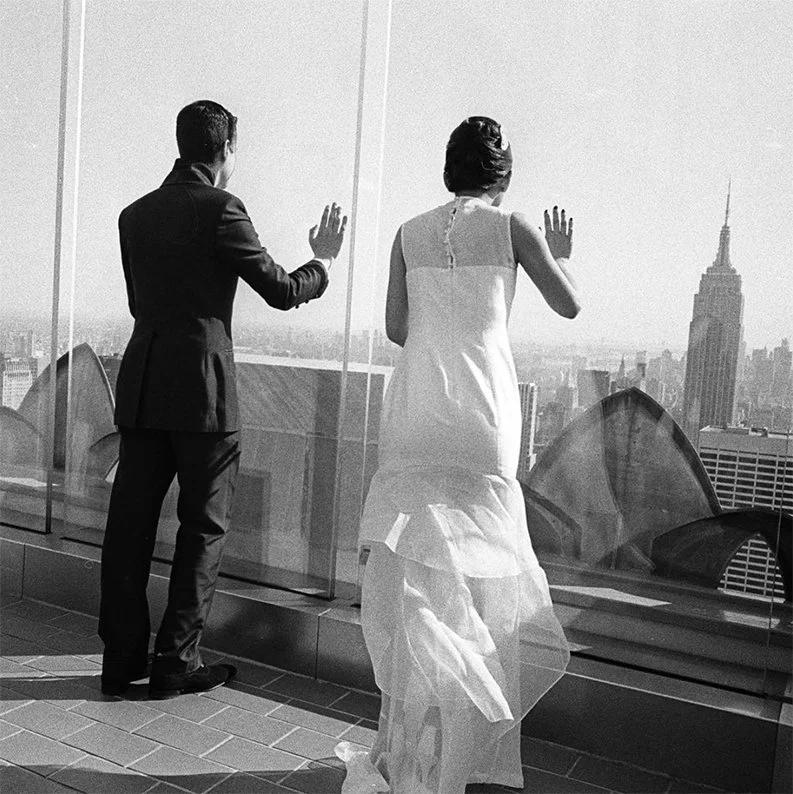
Weddings were among the celebrations held there, allowing couples and their guests to celebrate with panoramic views of New York as their backdrop.
More Than a Restaurant
For nearly 25 years, Windows on the World represented a very particular kind of New York experience: fine dining, celebrations, and unforgettable views all in one place. Its appeal wasn’t simply its height above Manhattan. It gave people a reason to pause, celebrate, and experience the city from an extraordinary perspective.
Windows on the World became part of New York’s dining history because it offered something that was difficult to replicate the feeling of having the entire city spread out beyond your table.
Sources
National September 11 Memorial & Museum
https://collection.911memorial.org/gallery/1040
National September 11 Memorial & Museum — World Trade Center History
https://loadtest.911memorial.org/learn/resources/digital-exhibitions/world-trade-center-history/snapshots-work-life
World Trade Center — History Timeline
https://wtc.com/history-timeline/